A sewer problem rarely starts with a dramatic backup. More often, it begins with a toilet that bubbles when the washing machine drains, a tub that empties slowly, or an unpleasant sewer odor near a floor drain. This guide to sewer line repair explains what those signs can mean, how a professional plumber narrows down the cause, and what Chilliwack property owners should expect from the repair process.
A sewer line carries wastewater from your home or commercial unit to the municipal sewer connection. When that line becomes restricted, damaged, or separated, wastewater has nowhere to go. Acting early can often limit water damage, business disruption, and the scope of repairs.
When a Sewer Line Problem Is More Than a Clogged Drain
A single slow sink is often a local drain issue. When several fixtures act up at once, the concern shifts to the main sewer line. The main line serves the whole building, so a blockage or failure there usually affects the lowest plumbing fixtures first.
Watch for a toilet that gurgles when a sink, shower, or laundry drain is used. Water rising in a basement shower, floor drain, or lower-level tub is another serious warning sign. You may also notice repeated clogs in different rooms, foul odors indoors or outdoors, or damp, unusually green areas of lawn near the sewer route.
These symptoms do not all point to the same repair. A line may be obstructed by accumulated debris, affected by root intrusion, damaged by ground movement, or suffering from a failed connection. That distinction matters. Clearing a blockage may restore drainage, but it will not correct a cracked or offset pipe that continues to collect debris.
If wastewater is backing up into the building, stop using water wherever possible. Do not run the dishwasher, washing machine, showers, or additional toilets while waiting for help. This is the point to call for emergency plumbing service, especially when sewage has entered a finished area, rental unit, restaurant, or commercial space.
Common Causes of Sewer Line Repairs
In Chilliwack, the age of the property and the material of its underground piping can influence the likely cause. Older lines may have joints or materials that are more vulnerable to movement and root intrusion. Newer systems can also develop problems when soil shifts, connections fail, or unsuitable materials are sent down the drain.
Root Intrusion
Tree and shrub roots naturally seek moisture. Even a small gap at a sewer-pipe joint can draw roots toward the line. Once inside, roots can create a dense obstruction that catches paper and waste. Professional drain cleaning may remove the immediate blockage, but recurring root problems need an assessment of the line’s condition and a repair plan that addresses the entry point.
Pipe Damage and Misaligned Joints
Soil movement, settling, aging pipe, and external pressure can crack a sewer pipe or pull its sections out of alignment. Waste may still pass through for a while, but solids begin collecting at the damaged area. Recurring backups after the line has been cleared are a common sign that there is more going on than an ordinary clog.
Heavy Buildup or Improper Use
A main sewer line can also become blocked by materials that should not be flushed or washed down. Wipes, paper towels, hygiene products, and cooking fats are common causes. In commercial settings, frequent use and high wastewater volume can expose drainage issues quickly. Hydro jetting can be an effective cleaning method for certain lines, but it should be selected based on the pipe condition and the type of blockage.
How a Plumber Diagnoses the Right Repair
Good sewer line repair starts with diagnosis, not guesswork. A qualified plumber will ask what fixtures are affected, when the trouble began, whether the issue has happened before, and whether the backup occurs after laundry use, heavy rain, or normal daily use.
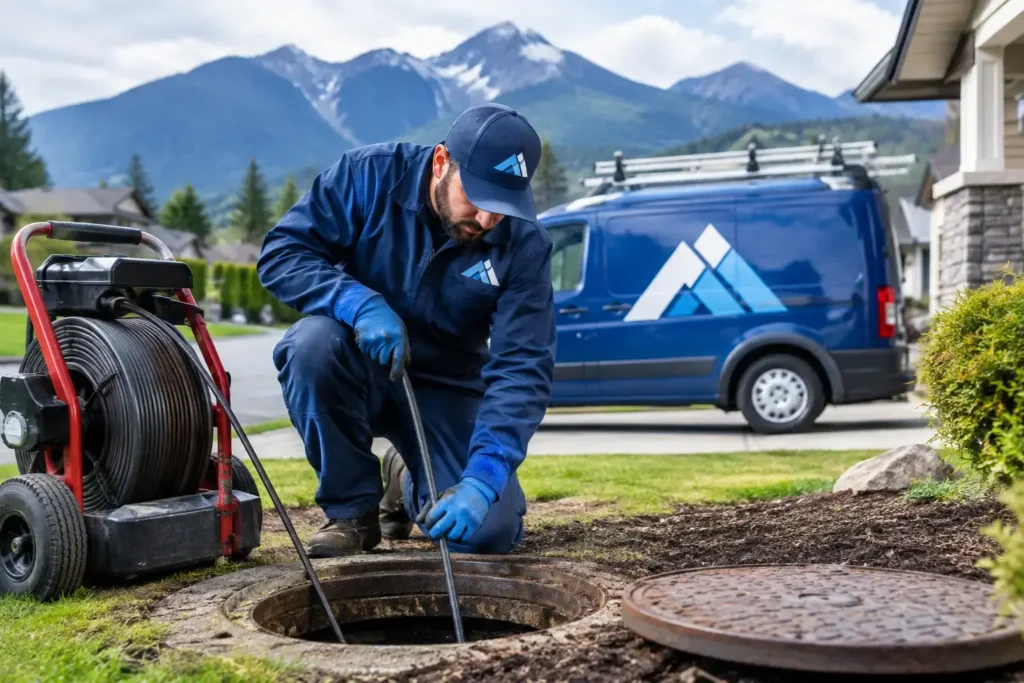
The next step may include accessing the building’s cleanout and testing how the line responds to controlled water use. Clearing the line can help restore service and reveal whether the problem was a one-time obstruction or evidence of a damaged section. The goal is to identify the cause before recommending excavation or replacement.
Property owners should also understand that responsibility can vary. The sewer piping on private property is commonly the owner’s responsibility, while the municipal connection and public main are handled differently. The exact boundary depends on the property and local requirements. If there is uncertainty about where the issue lies, a plumber can help explain the plumbing side while the property owner confirms municipal responsibilities as needed.
Guide to Sewer Line Repair Options
The right sewer line repair depends on the line material, location of the failure, access conditions, and whether the pipe is structurally sound. There is no responsible one-size-fits-all recommendation.
For a blockage caused by buildup or roots, professional drain cleaning may be enough when the pipe itself remains in serviceable condition. Mechanical clearing or hydro jetting may be used to restore flow, with the method chosen carefully to avoid creating further damage in an already compromised pipe.
When there is a localized damaged connection or pipe section, an excavation repair may allow the plumber to expose and replace only the affected area. This can be a sensible approach when the rest of the line is in good condition and the damaged section is accessible.
A full sewer line replacement may be more practical when there are repeated failures, widespread deterioration, multiple damaged sections, or an aging line that is no longer reliable. Although replacement is a larger project up front, repeatedly clearing and repairing a failing line can cost more over time and leave a property vulnerable to future backups.
For commercial property owners, downtime is a major consideration. A repair plan should account for access, operating hours, tenant needs, and sanitation requirements. A restaurant, retail unit, or multi-tenant building may need work scheduled to reduce interruption while still addressing the problem promptly.
What Affects Sewer Line Repair Cost?
No plumber can provide an accurate repair price based only on a description over the phone. The cost depends on what has failed and what is required to reach it safely.
Key factors include the length of pipe involved, depth of the line, soil conditions, landscaping or hard surfaces above the pipe, the pipe material, and whether the repair is a cleaning, sectional repair, or replacement. Access around mobile homes, additions, decks, parking areas, and commercial buildings can also affect labor and restoration work.
The least expensive option is not always the most affordable long-term option. If a line is repeatedly backing up because its structure has failed, paying for repeated clearing without correcting the underlying problem can become frustrating and costly. A clear explanation of the findings, recommended scope, and alternatives helps owners make a sound decision.
How to Reduce the Risk of Future Backups
Sewer lines need reasonable use and timely attention when drainage changes. Avoid flushing wipes, paper towels, feminine hygiene products, dental floss, or other items that do not break down quickly. Keep fats, oils, and food scraps out of kitchen drains, even when they are rinsed with hot water.
If your property has a history of roots or recurring main-line clogs, do not wait for a full backup to schedule service. Planned drain cleaning can be less disruptive than an after-hours emergency. Landlords and property managers should also take reports of slow drains seriously, particularly when tenants mention more than one fixture.
For homes with older plumbing, documenting past sewer repairs and the approximate route of the line can be useful when future service is needed. It gives the plumber a starting point and may reduce delays during an urgent call.
When to Call a Plumber Right Away
Call promptly if sewage is visible in a tub, shower, floor drain, or other fixture; if multiple drains have stopped working; or if you smell persistent sewer gas inside the building. These are not situations to wait out. Continued water use can turn a contained drainage problem into a cleanup and restoration issue.
For Chilliwack homeowners, landlords, and business owners, sewer line repairs are best handled with a clear diagnosis and a repair plan suited to the actual condition of the pipe. Armacom Plumbing & Heating can help determine whether the issue calls for drain cleaning, a targeted repair, or a more complete sewer line solution. Early attention gives you the best chance of protecting the property and getting normal drainage back with precision and care.