
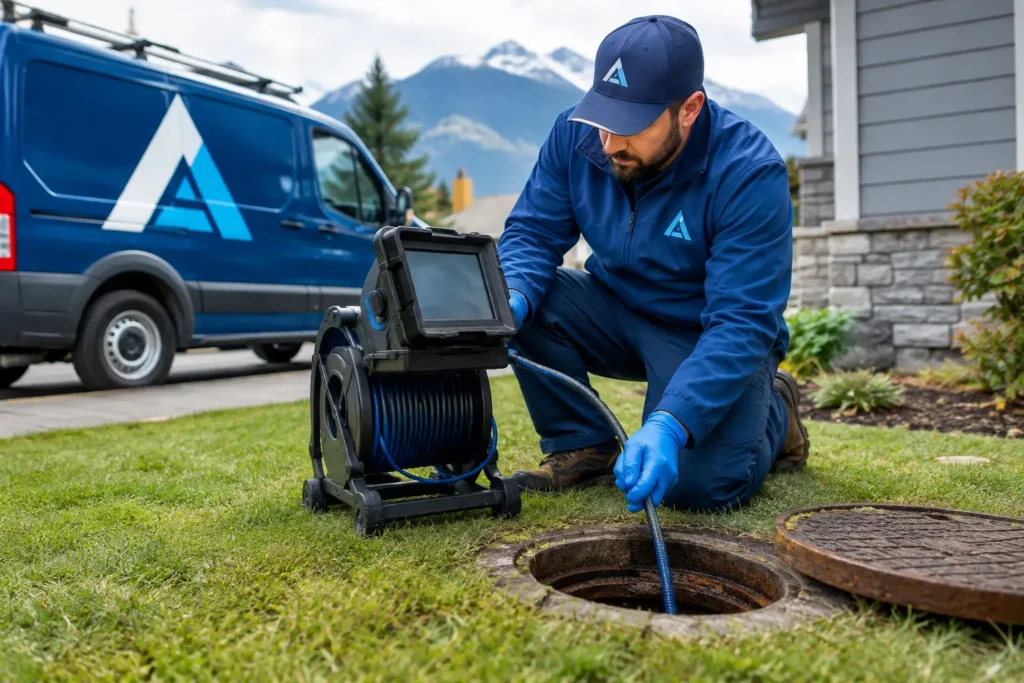
A sewer line collapse rarely starts with a dramatic sinkhole or a complete backup. More often, it begins with a toilet that gurgles after flushing, a shower drain that suddenly runs slow, or a bad sewer odor near the yard. For Chilliwack homeowners and property managers, recognizing a sewer line collapse early can mean the difference between a targeted repair and wastewater backing up into a building.
A collapsed sewer line is not a normal drain clog. It means part of the buried pipe has cracked, shifted, separated, or lost enough structural support that wastewater can no longer move through it properly. The right response is prompt diagnosis by a qualified plumber, followed by a repair plan based on the pipe’s condition, location, and the practical access available on the property.
What Happens During a Sewer Line Collapse?
Your building sewer carries wastewater from toilets, sinks, tubs, floor drains, and appliances to the municipal sewer connection. It relies on a continuous pipe with a consistent slope. When a section collapses, sags significantly, or breaks apart, solids and paper catch at the damaged area. The obstruction tends to worsen every time water is used.
Sometimes the failure is complete and service stops quickly. In other cases, the pipe still passes a small amount of water, creating repeated backups that seem to clear after drain cleaning. That temporary improvement can be misleading. If the pipe itself has failed, removing the immediate blockage does not restore the line’s strength or correct the damaged section.
This is why recurring main drain problems deserve more attention than a single clogged fixture. One slow bathroom sink may be a local issue. Multiple fixtures draining poorly at once usually point farther downstream.
Common Sewer Line Collapse Signs
The clearest warning sign is a backup at the lowest plumbing fixture in the building. In many homes, that is a basement shower, tub, toilet, or floor drain. When wastewater comes up at a low point after someone flushes a toilet or runs the washing machine, stop using water wherever possible and arrange emergency plumbing service.
Other signs can build gradually. You may notice that several drains are slow at the same time, toilets bubble when a nearby fixture drains, or a plunger seems to help only briefly. Odors around a crawl space, utility area, or outdoor portion of the line can also indicate that wastewater is not contained as it should be.
Outside, a soft or unusually wet patch of ground can be worth checking, particularly when it appears during dry weather. Depressions in soil or paving near the likely sewer route may indicate that the ground beneath has settled around a damaged pipe. These signs do not prove a collapse on their own, but they should not be ignored when they occur alongside recurring drainage problems.
For commercial properties, warning signs often show up as repeated restroom closures, slow floor drains, or drainage trouble during busy operating periods. Restaurants, offices, rental buildings, and retail spaces can face expensive disruption if a main sewer issue is allowed to progress.
What Causes a Sewer Line to Fail?
Age is one factor, but it is not the only one. Older piping materials can deteriorate over time, especially at joints and connections. Ground movement, settlement, heavy loads above the line, and construction activity can also leave a buried pipe cracked or misaligned.
Tree roots are another common contributor. Roots naturally seek moisture and can enter small openings at joints or cracks. As they grow, they restrict flow and may pull apart already weakened sections. Removing roots may restore drainage for a time, but a line with damaged joints or broken pipe still needs a longer-term repair decision.
A sewer line can also fail because of repeated blockages. Materials that do not belong in the drain, including wipes, hygiene products, paper towels, and excessive grease, can collect at a weak point and create pressure on the system. Even a structurally sound sewer line can plug under those conditions. The concern rises when blockages return at the same location or become more frequent.
Chilliwack properties vary widely in age, layout, and soil conditions. A home on a sloped lot, an older building with original piping, and a commercial unit with high daily water use do not present the same repair challenges. A reliable diagnosis considers the whole drainage system rather than assuming every backup has the same cause.
Why Repeated Drain Cleaning May Not Be Enough
Professional drain cleaning is often the correct first response to a blocked main line. It can remove accumulated debris and restore use quickly. Hydro jetting may also be appropriate when buildup is the problem and the pipe is in suitable condition.
But cleaning has limits. If a pipe has caved in, separated, or developed a severe low section, it will continue collecting solids. Repeated clearing can become a cycle of service calls, disruption, and growing risk of a more serious backup. The practical question is not simply whether water is moving today. It is whether the sewer line can reliably carry waste without recurring obstruction.
A plumber should explain whether the problem appears to be a one-time blockage, root-related restriction, or a structural failure requiring sewer line repair. That distinction helps property owners avoid paying for short-term relief when a permanent correction is needed.
What to Do When You Suspect a Collapsed Sewer Line
First, reduce water use. Do not run the dishwasher, washing machine, or large volumes of water down sinks and tubs while a main drain backup is active. Flushing toilets can force wastewater out through the lowest open fixture.
Next, protect people and the property. Wastewater can contain contaminants, so keep children, pets, tenants, and staff away from any affected area. If a backup has reached finished flooring, drywall, inventory, or shared building areas, quick action matters. Document visible damage for your records, but do not attempt to disassemble buried plumbing or enter contaminated areas without proper precautions.
Then call a plumber experienced in sewer line repair. The goal is to identify the failure accurately, restore safe drainage, and provide a clear recommendation. Depending on the location and extent of damage, the work may involve accessing and replacing the failed pipe section, repairing connections, or addressing the conditions that contributed to the failure.
For a rental property or commercial space, communicate early with occupants. Asking people to limit water use while the issue is being assessed can help prevent a small drainage problem from becoming a multi-unit backup.
Repair Decisions Depend on the Pipe and Property
There is no responsible one-size-fits-all answer to sewer repair. A localized break in an accessible area may call for a focused repair. A line with widespread deterioration, repeated failures, or multiple weak sections may justify more extensive replacement. Cost matters, but so do future reliability, access conditions, building use, and the consequences of another backup.
Before work begins, ask practical questions: What is failing? Is the line currently safe to use? Is this likely to recur if only the blockage is cleared? What areas of the property need to be accessed? A professional plumber should be able to explain the options in plain language, including what each approach solves and what it does not.
Property owners should also be cautious about delaying repair once a structural issue is confirmed. A partially functioning line can fail fully without much warning, particularly after heavy water use. Waiting may increase cleanup costs and interrupt daily operations at the worst possible time.
Reduce the Risk of Future Main Line Problems
No maintenance program can prevent every underground pipe failure, especially when aging material or ground movement is involved. It can, however, reduce avoidable strain on the drainage system. Keep wipes, paper towels, feminine products, and other non-flushable materials out of toilets. Dispose of cooking grease in the trash once it has cooled rather than washing it into the drain.
Pay attention to changes in how fixtures drain. A toilet that starts gurgling or a lower-level drain that slows down is easier to address before wastewater enters the home or business. For buildings with a history of main drain trouble, planned professional drain cleaning may be worthwhile, but it should be paired with an honest assessment of the line’s underlying condition.
A sewer line collapse is disruptive, but fast, informed action limits the damage. If your Chilliwack property has recurring backups, multiple slow drains, sewer odors, or wastewater appearing at a low fixture, treat it as a main line concern rather than an ordinary clog. Armacom Plumbing & Heating can help assess the problem and provide practical sewer line repair options focused on safe, long-lasting results.