
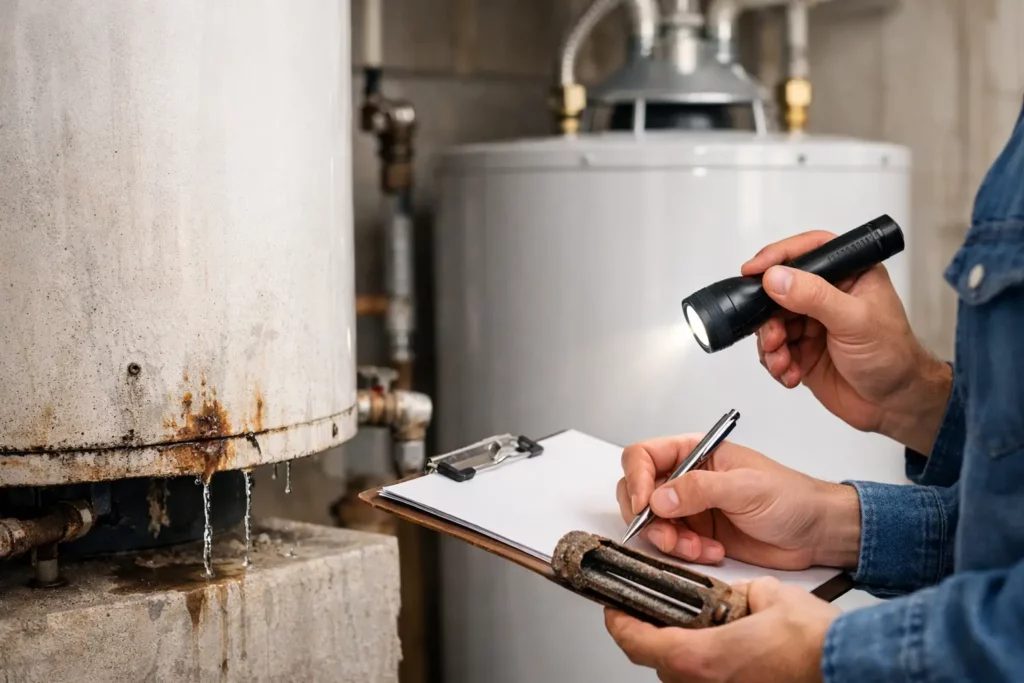
A water heater usually gives you plenty of warning before it quits. The trouble is that most people do not know what those warnings look like until they are standing in a cold shower or dealing with a leaking tank. If you are wondering when to replace water heater equipment in your home or building, the answer depends on age, performance, repair history, and how much risk you are willing to carry.
For some owners, replacement makes sense the moment reliability starts slipping. For others, it is worth squeezing a little more life out of the unit if the tank is still sound and the repair is minor. The right call is not always about whether the heater still runs today. It is about whether it is still dependable tomorrow.
When to replace water heater systems
The clearest factor is age. A standard tank water heater often lasts around 8 to 12 years, although actual lifespan depends on water quality, maintenance, usage, and installation quality. Tankless systems can often run longer, but they are not immune to wear, scale buildup, or part failure.
If your tank water heater is pushing past the 10-year mark, replacement should be on your radar even if it still seems to work. That does not mean every 10-year-old heater needs to be removed immediately. It means the odds of leaks, corrosion, and efficiency loss are climbing. Once a tank fails, the damage can spread well beyond the mechanical room.
If you manage a rental, commercial space, or busy household, the tolerance for failure is usually lower. Waiting for a tank to rupture is rarely the cheaper option.
Signs your water heater is near the end
Some failures happen suddenly, but most leave clues first. One of the most common is inconsistent hot water. If the water turns lukewarm faster than it used to, takes too long to recover, or fluctuates during normal use, the heater may be losing capacity.
That problem is not always a reason to replace the entire unit. A failed heating element, thermostat issue, or sediment buildup can sometimes be repaired. But if the heater is older and multiple components are wearing out at once, replacing it is often the better long-term move.
Rust-colored hot water is another warning sign. If the discoloration only appears from the hot side, the inside of the tank may be corroding. Anode rods help slow that process, but once corrosion advances inside the tank, repairs are limited. A rusty tank does not heal itself.
Leaks around the base also deserve immediate attention. Sometimes the issue is a fitting, valve, or connection. Those can often be fixed. But if the tank body itself is leaking, replacement is the only real solution. A cracked or corroded tank cannot be patched into reliable service.
Strange noises matter too. Rumbling, popping, or banging often points to hardened sediment in the tank. That buildup forces the heater to work harder, reduces efficiency, and can overheat the steel beneath it. A noisy old tank is often a tank under stress.
Repair or replace? It depends on the problem
This is where many homeowners get stuck. They call for repair, get a quote, then wonder whether they are about to throw good money after bad.
A good rule is to weigh the age of the heater against the cost and scope of the repair. If a newer unit needs a thermostat, pressure relief valve, or heating element, repair usually makes sense. If an older unit needs repeated service, struggles to keep up, and shows signs of corrosion, replacement is often the more practical investment.
There is no universal percentage that decides it. The bigger question is reliability. A repair that buys you another three steady years is different from a repair that buys you three uncertain months.
For property managers and owners of small commercial spaces, downtime matters just as much as invoice total. A planned replacement is easier to manage than an emergency failure that disrupts tenants, staff, or customers.
Why old water heaters cost more than you think
A water heater does not have to be completely dead to be expensive. As it ages, efficiency tends to drop. Sediment buildup insulates the burner or elements from the water, making the system work longer and harder. Recovery times get slower. Energy use can increase. Performance slips gradually enough that many people adapt without noticing.
That is part of why older heaters stay in service too long. They still produce some hot water, so they seem fine. Meanwhile, utility bills creep up and the margin for failure gets thinner.
An undersized or aging heater can also create household friction. Back-to-back showers become a problem. Laundry timing starts to matter. Hot water runs out halfway through normal routines. Those are comfort issues, but they are also signs that the system may no longer fit the demands placed on it.
What age really means for replacement timing
Age alone is not the whole story, but it matters because tanks fail differently from many other household systems. Once a storage tank starts corroding from the inside, there is no dependable reset button. Maintenance can extend life, especially with tank flushing and anode rod checks, but it cannot stop time.
If your heater is 6 years old and having one isolated issue, repair is usually reasonable. If it is 11 years old and needs service after service, replacement becomes easier to justify. If it is 13 or 14 years old and still operating, you may have gotten excellent life from it, but you are also operating on borrowed time.
That matters even more if the unit sits in a finished area, near storage, or above living space. The consequences of a leak should influence the decision. A failing tank in a garage is one risk. A failing tank in a utility closet beside finished flooring is another.
Choosing the right time before failure
The best time to replace a water heater is often before it becomes urgent. Planned replacement gives you time to compare options, size the system properly, and schedule the work when it causes the least disruption.
It also gives your plumber time to look at related issues that affect performance, such as venting, shutoff valves, drainage, expansion control, or code upgrades. Those details matter. A water heater is not just an appliance swap. Proper installation affects safety, efficiency, and lifespan.
If your current unit is showing age and your hot water demand has changed, replacement can also be a chance to improve comfort. A growing household may need more capacity. A smaller household may want to improve efficiency with a different setup. The right answer is not always like-for-like.
Should you wait until it leaks?
Usually, no. Waiting for a visible tank leak is a gamble, not a strategy. By the time water is pooling around the base, the useful life of the tank is over. At that point, the main goal is damage control.
Some owners wait because the heater still works and replacement feels easy to postpone. That is understandable. But emergency replacements tend to happen at the worst times and under the most pressure. Decisions get rushed. Water damage becomes part of the job. Costs can rise quickly when a simple replacement turns into cleanup and repair.
For homeowners in places like Chilliwack, where families rely on consistent hot water year-round, that kind of surprise is rarely worth it.
A practical way to decide
If you are unsure when to replace water heater equipment, start with four questions. How old is it? Has it needed recent repairs? Is hot water performance getting worse? Are there signs of rust, leaking, or unusual noise?
If the answer is yes to more than one of those, replacement is worth serious consideration. If the tank is older and any leak or corrosion is present, it is usually time to act. If the issue is isolated and the unit is still relatively young, repair may still be the right call.
A professional inspection helps separate a repairable issue from a failing tank. That kind of honest diagnosis matters. At Armacom Plumbing, the goal is not to push replacement when a repair will do. It is to make sure the system you rely on is safe, dependable, and worth the money you are putting into it.
Hot water problems are easier to deal with when you are choosing the timing instead of reacting to a failure. If your current heater is showing its age, treating that as a warning instead of a surprise can save you stress, water damage, and one very cold morning.