A sewer problem rarely starts with a dramatic flood. More often, it begins with a toilet that gurgles when the washing machine drains, a shower that backs up unexpectedly, or an outdoor patch that stays damp for no clear reason. Prompt sewer repair matters because the line carrying wastewater away from a property is not something to wait on. Once a blockage or damaged pipe worsens, wastewater can back up through the lowest fixtures in the building.
For homeowners, landlords, and commercial property owners in Chilliwack, the right response is a proper diagnosis before choosing a repair. A slow drain may be a simple branch-line issue. Several drains slowing down at once usually point farther downstream, often toward the main sewer line. The difference affects the work required, the cost, and how quickly the situation needs attention.
Signs You May Need Sewer Repair
One slow bathroom sink does not automatically mean the sewer line has failed. Hair, soap residue, and ordinary buildup can restrict a single fixture drain. A sewer concern becomes more likely when multiple fixtures are affected, especially fixtures on the lowest level of the property.
Watch for toilets that bubble when a tub, shower, or laundry drain is used. Notice whether water rises in a floor drain, shower, or tub after flushing a toilet. These are common signs that wastewater is meeting a restriction in the main line and looking for the easiest place to come back up.
Persistent sewer odors indoors or around the yard also deserve attention. Drain traps can dry out in rarely used rooms, which is a relatively straightforward issue, but a continuing odor paired with slow drains, wet ground, or gurgling fixtures needs professional investigation. Do not assume odor alone identifies the problem. The source has to be verified.
Outside, look for an area of ground that remains unusually soft, wet, or greener than surrounding grass. Wastewater may not always surface visibly, particularly if the damaged pipe is deep, but unexplained moisture near the route of the sewer line should be checked. If sewage is backing up inside, stop using water wherever possible and call for emergency plumbing service. Running dishwashers, laundry, showers, or additional toilet flushes can turn a contained backup into a much larger cleanup.
What Causes Sewer Line Problems?
The cause determines whether the line needs cleaning, a localized repair, or replacement of a damaged section. Guesswork is expensive, which is why inspection should come before major work.
Tree roots are a common cause of recurring blockages. Roots are drawn to moisture and can enter through small openings, joints, or cracks. Once inside, they trap paper and solids until the line drains poorly or stops draining altogether. Removing roots can restore flow, but cleaning alone may not be a permanent answer if the pipe has open joints, cracks, or a collapsed section.
Age and pipe material also matter. Older sewer systems may have joints that have shifted over time, corroded sections, or materials that no longer provide a smooth, reliable path for waste. Ground movement, settling, and heavy loads above the line can affect pipes as well. A line does not need to be old to have a problem, but age provides useful context during diagnosis.
Blockages caused by what enters the drain are another frequent issue. Wipes labeled flushable, paper towels, hygiene products, and heavy amounts of grease or food waste do not belong in a sewer line. They can catch on root growth, rough pipe interiors, or partial restrictions and create a full blockage. In rental and commercial properties, clear occupant guidance can prevent repeat calls, but it will not correct existing pipe damage.
How a Professional Sewer Repair Diagnosis Works
The first goal is to identify the location and nature of the restriction. A plumber will ask which fixtures are affected, when the problem occurs, and whether it has happened before. That history helps separate a likely fixture issue from a main-line concern.
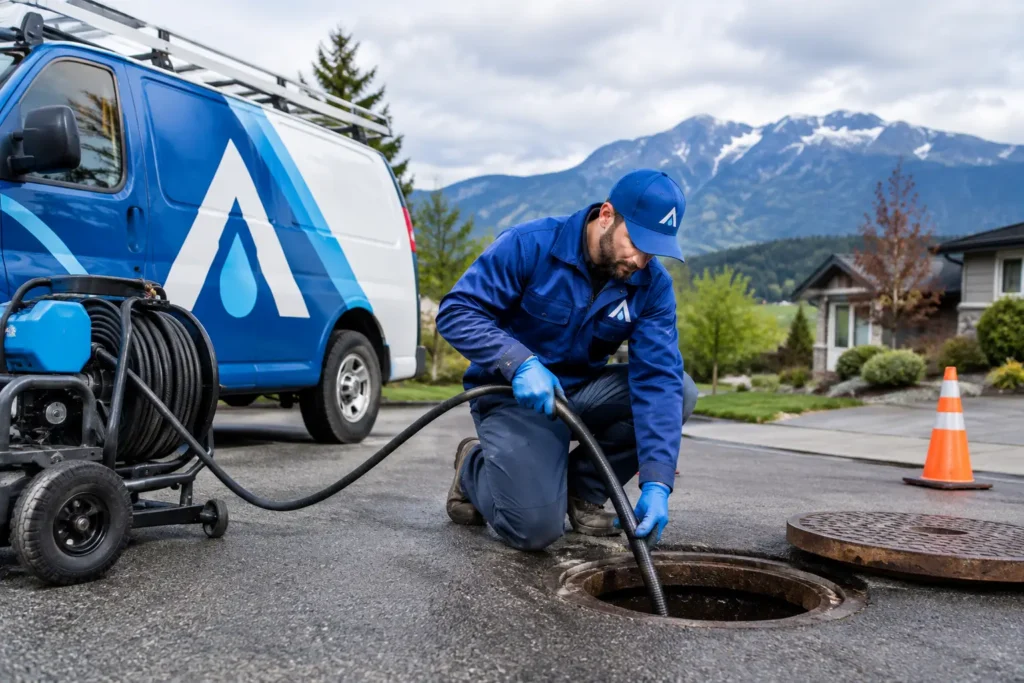
Drain cleaning may be the first step when there is an active blockage. Depending on the condition of the line and what is found, professional drain cleaning or hydro jetting can clear accumulated debris, scale, or root intrusion. The method should fit the pipe condition. Aggressive cleaning is not automatically appropriate for every older or damaged line.
A sewer camera inspection is often the clearest way to see what remains after the line is opened. The camera can show roots, separated joints, breaks, standing water, or a section that has lost its proper slope. It also helps locate the issue from above ground, so repair planning is based on evidence rather than assumptions.
This diagnostic work is especially valuable when backups keep returning. Repeated clearing without identifying the underlying condition may provide short-term relief, but it can leave the property owner dealing with the same emergency again. A good recommendation explains what was found, what can reasonably be cleaned, and what damage requires repair.
Sewer Repair Options Depend on the Damage
There is no single repair for every sewer line. If the camera shows a limited damaged section, targeted excavation and replacement of that portion may be the practical choice. This approach addresses the failed pipe directly while avoiding unnecessary replacement of line sections that are still sound.
If the pipe has widespread deterioration, multiple low spots, or repeated root intrusion at several points, a larger replacement may be more sensible over the long term. It costs more upfront than another cleaning, but it may reduce repeated service calls, disruption, and the risk of future wastewater backups. The right choice depends on the pipe material, access, extent of damage, and how long the owner plans to keep the property.
Not every sewer issue is on the private side of the system. The responsibility for a sewer problem can depend on where the issue is located in relation to the property connection and municipal infrastructure. A professional inspection can help establish what is happening on the property line, but owners should confirm responsibility with the applicable local authority when necessary.
For businesses and multi-unit properties, timing is part of the repair decision. A sewer shutdown can affect tenants, staff, customers, and daily operations. Planning the work around occupancy and access may be possible when the line is still functioning. Once sewage is backing up, however, protecting health and preventing further damage takes priority.
What to Do While Waiting for a Plumber
If you suspect a main sewer blockage, reduce water use immediately. Do not keep testing toilets or run water to see whether the problem has improved. Each gallon sent into a blocked line may return through a lower drain or fixture.
Keep people and pets away from any wastewater. If sewage has entered finished living or work areas, avoid attempting a basic mop-up without proper precautions. Sewage can contain harmful contaminants, and porous materials may require specialized cleanup. Take photos for your records if it is safe to do so, then focus on stopping additional flow.
Avoid chemical drain cleaners. They rarely solve a main sewer-line blockage and can create hazards for anyone working on the drain afterward. They may also damage certain piping materials. A mechanical cleaning method and camera inspection provide far more useful information.
Preventing Repeat Sewer Problems
Prevention starts with knowing the condition of the line. Properties with a history of roots, older piping, or past backups benefit from a documented inspection and a maintenance plan suited to what the camera shows. Cleaning on a schedule can be helpful for known root intrusion, but it should not replace repair where the pipe is structurally compromised.
Inside the property, keep wipes, paper towels, feminine products, and other non-dissolving items out of toilets. Use sink strainers where appropriate, and address recurring slow drains before several fixtures become involved. For landlords and property managers, a simple written reminder to occupants can prevent many avoidable blockages.
Sewer trouble is disruptive, but it does not have to become a guessing game. Armacom Plumbing & Heating approaches sewer concerns by locating the problem, explaining the condition of the line clearly, and recommending work that fits the actual issue. Acting when the first warning signs appear gives you more options and a better chance of avoiding a wastewater backup when you least expect it.