
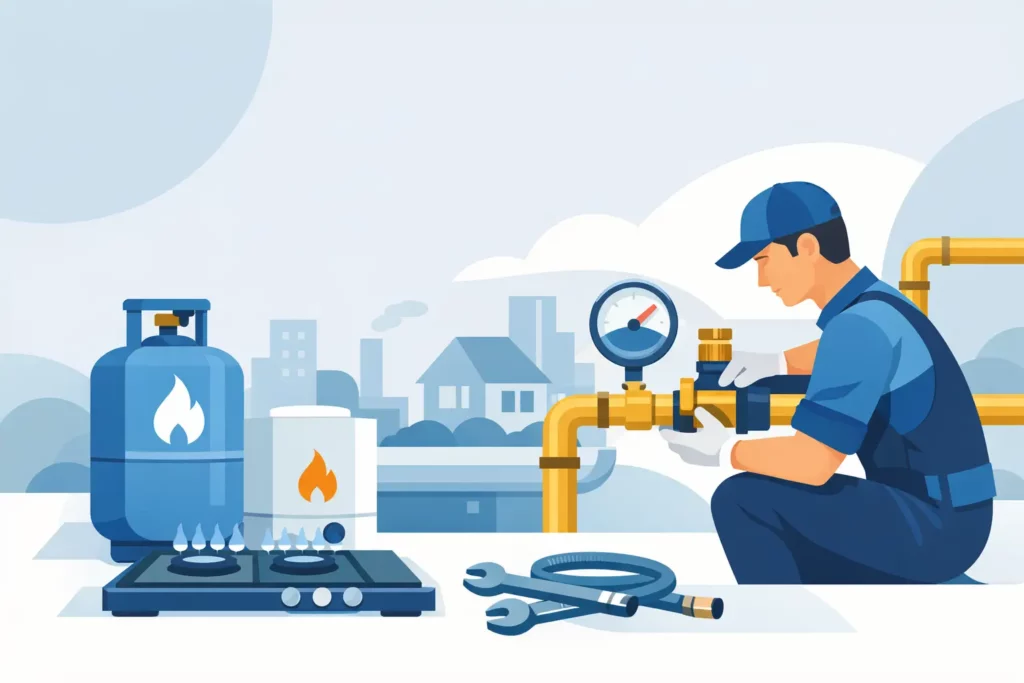
A gas line issue is not the kind of problem you put off until next week. Whether you’re adding a new range, replacing a water heater, or dealing with the smell of gas near an appliance, the work needs to be handled correctly the first time. Professional gas fitting services are about more than getting fuel from point A to point B. They protect your property, your equipment, and the people inside it.
For homeowners, builders, and property managers, gas work usually starts with a practical question: who can do the job safely, on schedule, and without cutting corners? That matters because gas systems affect daily comfort and long-term reliability. A small installation mistake can lead to poor appliance performance, failed inspections, higher operating costs, or a serious safety risk.
What gas fitting services usually include
Gas fitting covers the installation, repair, modification, and testing of gas lines and connected appliances. In a residential setting, that often means work for furnaces, fireplaces, gas ranges, dryers, outdoor BBQ lines, and water heaters. In commercial settings, it may include kitchen equipment, heating systems, tenant improvements, or equipment relocation.
The scope can be simple or complex. One project might involve running a short new line to a backyard appliance. Another might require resizing piping for added demand, pressure testing the system, coordinating with other trades, and making sure the installation meets current code requirements. Good gas fitting work is not only about making the connection. It is also about planning for safe operation, proper load, and clean execution.
Why professional gas fitting services matter
Gas is efficient and dependable, but only when the system is installed and maintained properly. That is why this is not a do-it-yourself trade and not a place for rushed work. Licensed, experienced service matters because gas systems must be sealed, tested, and verified under real-world conditions.
There is also a code compliance side that many property owners do not think about until a problem shows up during inspection, resale, or insurance review. An improperly installed line may still appear to work, but that does not mean it is safe or acceptable. Correct sizing, approved materials, proper shutoffs, venting awareness, and pressure testing all play a role.
Professional workmanship also affects performance. If a line is undersized, appliances may not receive the supply they need. If fittings are poorly installed, leaks can develop over time. If the routing is careless, future repairs become harder and more expensive. Done properly, the system should be safe, efficient, and built to last.
Common situations where gas fitting is needed
A lot of service calls happen during renovations and equipment upgrades. A homeowner may be moving from electric to gas for cooking, replacing an aging water heater, or adding a gas fireplace for comfort and value. Builders may need complete rough-in and final connections on a new home or laneway project. Property managers often call for appliance replacement, line adjustments between tenants, or urgent diagnosis when a system is shut down.
Emergency repair is another common need. If there is a suspected leak, an appliance is not operating properly, or a line has been damaged during other work, response time matters. The first priority is always safety, followed by a clear diagnosis and a proper repair.
Outdoor projects can also involve gas work. BBQ hookups, patio heaters, pool equipment, and other exterior installations need the same attention to code, weather exposure, and durability as indoor systems. In many cases, outdoor gas fitting has added planning requirements because of trenching, routing, or placement near other utilities.
Signs you may need gas line repair or inspection
Some gas problems are obvious, while others develop slowly. If you notice the smell of gas, hear hissing near a line or connection, or see a sudden change in appliance performance, it is time to act quickly. A weak flame, delayed ignition, or recurring shutdowns can point to supply or connection issues, although appliance-specific faults are also possible.
Older properties deserve extra attention. Over time, materials age, previous alterations add up, and older installations may no longer match the property’s current gas demand. If you are upgrading equipment or taking on a major renovation, it makes sense to have the existing system reviewed. It is often easier and more affordable to correct issues during planned work than to deal with failures later.
Even when there is no active problem, inspection can be worthwhile after a property purchase, before a tenant turnover, or ahead of adding new gas appliances. Preventive checks help reduce surprises and can catch concerns before they become urgent.
What to expect from a quality gas fitting contractor
The best gas fitting service is straightforward from the beginning. You should expect a clear assessment of the work, honest communication about what is needed, and a realistic timeline. On site, the job should be handled with care, tested properly, and left clean.
A quality contractor will also be direct about trade-offs. In some cases, a simple repair is all that is needed. In others, replacing a section of line or reworking part of the system is the better long-term choice. The cheapest option up front is not always the most affordable once future service calls, appliance wear, or safety concerns are factored in.
This is especially important in mixed-use and commercial spaces, where uptime matters and changes in one part of the system can affect another. Good contractors look at the whole picture, not just the immediate symptom.
Gas fitting services for homes, rentals, and commercial properties
Different property types call for different priorities. Homeowners usually want safe, efficient work with minimal disruption and confidence that the installation will last. They may also want advice on whether a planned appliance upgrade makes sense for their current system.
Property managers often need speed, documentation, and dependable scheduling. A delayed repair can affect tenant comfort, occupancy planning, or building operations. Clean work and clear communication are just as important as technical skill.
Builders and commercial clients typically need coordination. Gas fitting often overlaps with framing, HVAC, electrical, finishing, and inspection timelines. Delays in one trade can create delays across the whole project, so responsive scheduling and reliable execution matter.
That is where a service-focused local contractor stands out. A company such as Armacom Plumbing understands that the work is not only about code and fittings. It is also about showing up when promised, solving the issue efficiently, and keeping the project moving.
How to prepare for a gas fitting appointment
A little preparation can make the visit more efficient. If possible, know which appliances are affected and when the issue started. If you are planning a new installation, have the appliance specifications available. Access to the mechanical room, crawl space, meter area, or appliance location also helps the work move faster.
If the job is part of a renovation or construction project, it is useful to confirm whether other trades have completed the work needed before gas fitting begins. Framing, appliance placement, clearances, and wall access can all affect timing. For occupied homes or businesses, simple site readiness such as clearing the area and securing pets can help the technician work safely and efficiently.
Choosing long-term value over short-term fixes
Gas work is one of those services where quality shows up over time. A proper installation should hold pressure, support appliance performance, and stay trouble-free under regular use. A rushed repair may appear fine on day one and create avoidable problems later.
That does not mean every job needs a major overhaul. Sometimes the right answer is a focused repair and a quick return to service. Other times, especially with aging systems or added appliance demand, investing in upgrades prevents repeat visits and protects the equipment connected to the line. It depends on the condition of the system, the age of the property, and what you need the setup to do now and in the future.
When gas fitting is handled with precision and care, the result is simple: safe operation, dependable performance, and fewer problems down the road. If you are planning an upgrade, dealing with a concern, or managing a property that needs reliable service, getting the work done right is the part that pays off long after the appointment ends.