
A leaking shutoff valve under the kitchen sink can look minor until it damages the cabinet base, warps flooring, and turns into a bigger repair than expected. That is usually when homeowners start asking, what does a residential plumber do, exactly – and where does their job begin and end?
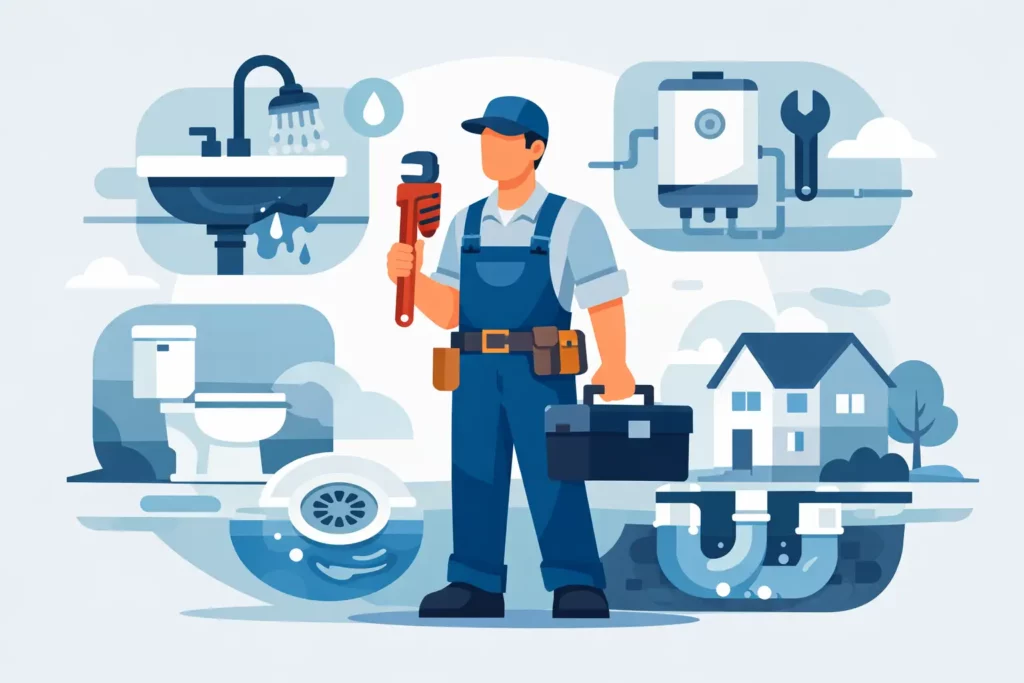
The short answer is that a residential plumber installs, repairs, maintains, and troubleshoots the plumbing systems inside and around a home. That includes everything from faucets, sinks, toilets, tubs, and showers to water lines, drain lines, hot water tanks, sump pumps, and sometimes gas-connected appliances where licensing allows. The real value is not just fixing one visible problem. It is diagnosing the cause, completing the work properly, and helping prevent the next issue.
What does a residential plumber do day to day?
Most homeowners picture a plumber responding to an emergency call, but residential plumbing work is broader than that. A typical day can include repairing a burst pipe in the morning, replacing a failing water heater in the afternoon, and finishing fixture rough-ins for a bathroom renovation before the day is done.
Residential plumbers work on systems that bring clean water into the home and move wastewater safely out. They also install and service the fixtures and equipment connected to those systems. In practical terms, that means they are responsible for making sure water flows where it should, drains where it should, heats when it should, and stays contained when it should.
Some jobs are urgent. Others are planned. Both matter. A small drip behind a wall may not feel like an emergency today, but left alone, it can lead to mold, structural damage, and a much more expensive repair later.
Common services a residential plumber handles
A residential plumber is usually called for one of four reasons: something is leaking, something is blocked, something is not heating properly, or something new needs to be installed.
Leak repairs are one of the most common service calls. That can mean exposed leaks under sinks, pinhole leaks in water lines, dripping hose bibs, toilet leaks, or hidden leaks behind walls and ceilings. The visible symptom is not always the full problem, so proper diagnosis matters. A stain on drywall might be caused by a supply line, a drain issue, condensation, or a failing seal around a fixture.
Drain and sewer problems are another major part of the job. Slow drains, recurring clogs, gurgling fixtures, sewer odors, and backups often point to issues deeper in the system. Sometimes the fix is straightforward, such as clearing a localized blockage. In other cases, the problem comes from pipe damage, improper slope, grease buildup, root intrusion, or older piping that needs replacement.
Water heater service is also a regular part of residential plumbing. Plumbers install traditional tank water heaters and, in many homes, tankless systems as well. They troubleshoot lack of hot water, inconsistent temperature, unusual noises, pressure issues, and leaks around the unit. Whether a heater should be repaired or replaced depends on its age, condition, efficiency, and the cost of the repair.
Fixture installation is another core service. This includes toilets, faucets, sinks, tubs, showers, garburators, dishwashers, laundry hookups, and outdoor hose connections. Homeowners often assume these are simple swaps, but even basic fixture changes can uncover old shutoff valves, corroded fittings, improper drain alignment, or outdated supply connections.
Repairs are only part of the job
Good residential plumbers do more than respond when something fails. They also help homeowners avoid breakdowns and improve how the home’s plumbing system performs.
Preventive maintenance can include checking for early signs of leaks, testing shutoff valves, inspecting water heater components, clearing problem drains before they back up, and identifying worn fixtures before they fail. This kind of service is especially useful in older homes, rental properties, and houses that have had multiple past repairs done over many years.
A plumber may also recommend upgrades that improve efficiency or reliability. That could mean replacing aging supply lines, installing a pressure-reducing valve, upgrading an undersized water heater, or changing fixtures that waste water or no longer function properly. Not every recommendation is urgent, and a trustworthy plumber should be clear about that. Some issues need immediate action. Others can be scheduled and budgeted over time.
Residential plumbing for renovations and new installations
When homeowners remodel a bathroom, update a kitchen, add a laundry area, or finish a basement, a residential plumber is often involved well before the new fixtures are installed. Plumbing has to be planned around layout, drainage, venting, supply lines, appliance connections, and code requirements.
This is where experience matters. A renovation is not just about making the new sink fit. The plumber has to make sure the system behind the wall supports the fixture properly and works reliably after the renovation is complete. That includes rough-in work, fixture placement, line sizing, and coordination with other trades.
For builders and property managers, residential plumbers may also handle plumbing for additions, carriage homes, secondary suites, and full new-home construction. In those settings, the work is more system-based and schedule-driven, but the goal is the same: durable plumbing that performs properly over the long term.
Emergency calls and urgent repairs
One of the clearest answers to what does a residential plumber do is this: they step in when a plumbing problem cannot wait.
Burst pipes, major leaks, overflowing toilets, failed water heaters, frozen lines, and sudden drainage backups all need a fast response. The first priority is usually containing damage. That may involve shutting down water, isolating a section of pipe, draining lines, or making a temporary repair until a full fix can be completed.
Emergency work is different from scheduled service because the issue is often unfolding in real time. Quick action matters, but so does accuracy. A rushed repair that does not address the actual cause can create repeat failures. Homeowners are usually better served by a plumber who works efficiently without cutting corners.
What homeowners should expect from a residential plumber
A professional residential plumber should bring more than tools. Homeowners should expect clear communication, a practical explanation of the issue, and honest recommendations about the next step.
That does not always mean the cheapest option. Sometimes a low-cost repair makes sense. Sometimes it only delays a larger failure. For example, repairing one leaking section of old pipe may be reasonable if the rest of the system is in good shape. If multiple sections are failing, replacing more of the line may save money over time.
Clean job completion also matters. Plumbing work happens in kitchens, bathrooms, utility rooms, crawl spaces, and finished areas of the home. Respect for the property is part of professional service. That includes using care around floors and walls, cleaning the work area, and leaving the system tested and working as expected.
When should you call a residential plumber?
Some plumbing problems are obvious. Others are easy to ignore until they become expensive. If you notice low water pressure, recurring clogs, unexplained water stains, sewer smells, banging pipes, rising water bills, poor hot water performance, or visible corrosion on exposed piping, it is usually worth getting the system checked.
The same applies before a renovation or fixture upgrade. Even if the job looks simple on the surface, plumbing connections, drainage layout, and shutoff condition can affect the final result. Getting it done right the first time is usually more affordable than correcting a poor installation later.
For homeowners in Chilliwack and nearby communities, that often means working with a local contractor who can respond quickly, assess the problem properly, and handle both everyday repairs and larger installation work. That is where a company like Armacom Plumbing brings value – practical service, reliable workmanship, and the kind of local accountability people look for when work is being done in their home.
A residential plumber keeps one of the most essential systems in your home working the way it should. When the job is done well, you do not think much about your plumbing at all, and that is usually the best outcome.